Aluminum Welding Wire for Shipbuilding & Marine造船與船舶用鋁焊接線
LNG carrier tanks · fast ferries & patrol craft · offshore platformsLNG 船槽 · 快艇與巡邏艇 · 海上平台
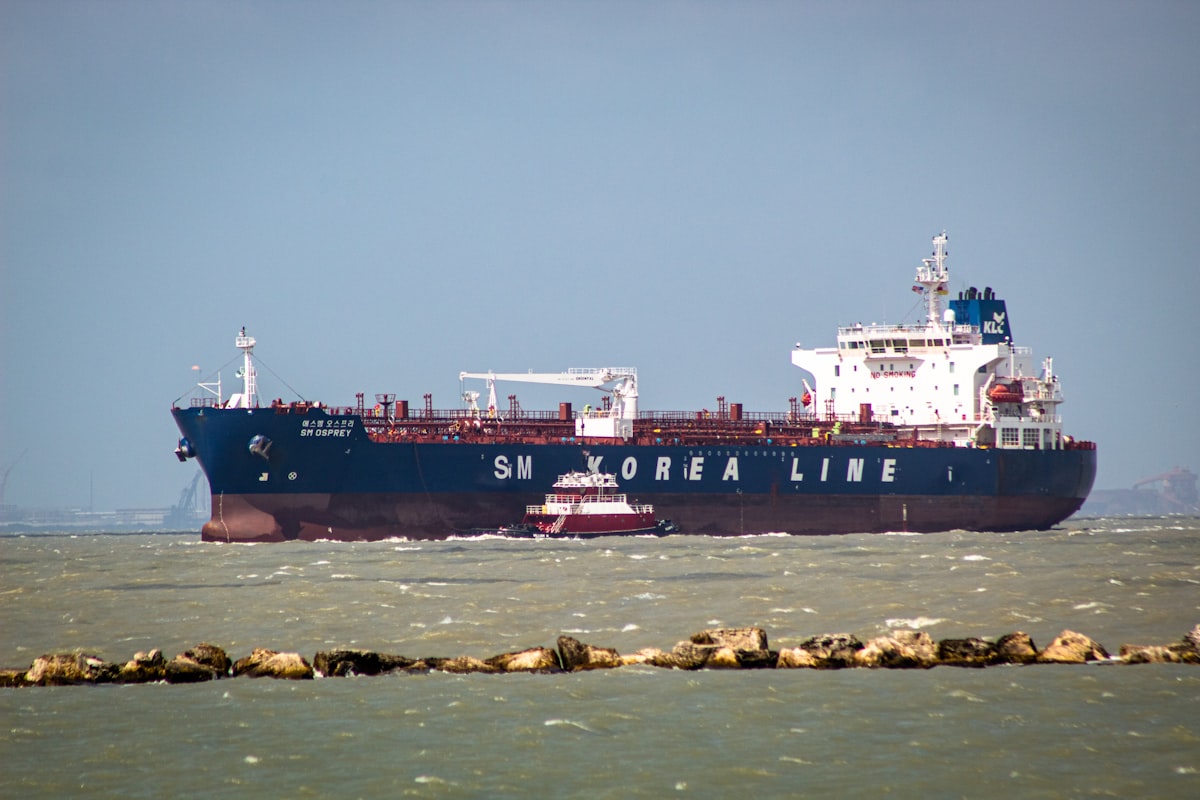
Marine structures face relentless saltwater corrosion, pressure differentials and temperature cycling. Aluminum hulls and superstructures demand high-magnesium 5xxx filler metals that retain strength and corrosion resistance in long-term saltwater service.船舶結構長年面對鹽水腐蝕、壓差與溫度循環。鋁製船體與上層建築需要高鎂 5xxx 焊材,在長期鹽水環境中維持強度與耐蝕性。
An aluminum hull is really two alloy families welded together: 5xxx plate (5083, 5383, 5059) for shell and bottom because it survives seawater, and 6xxx extrusions (6082, 6005A) for decks, stiffeners and superstructure because they extrude into stiffened panels. Each family has its own filler logic, and the joint where they meet has a third. Under classification rules, all three are decided inside the shipyard's qualified welding procedures — which is where GOLDING wire has to fit.鋁製船體其實是兩個合金族焊在一起:外板與船底用 5xxx 板材(5083、5383、5059),因為它耐海水;甲板、加強材與上層建築用 6xxx 擠型(6082、6005A),因為它能擠成加勁板。兩個合金族各有自己的焊材邏輯,兩者交接的接頭又是第三種。在船級規範下,這三種都在船廠評定合格的焊接程序裡決定——GOLDING 焊線就是要嵌進那裡。
What an Aluminum Hull Is Made Of鋁製船體用什麼合金
Hull plate is bought to ASTM B928 in H116 or H321 temper — tempers that ASTM B928 defines with an intergranular-corrosion test requirement for these high-magnesium (3% or more) alloys. 5083 is the workhorse; 5383 and 5059 are the higher-strength variants used where weight matters most, such as fast ferries and patrol craft. Above the waterline the structure switches to 6082-T6 and 6005A-T6 extrusions.船體板材依 ASTM B928 以 H116 或 H321 狀態採購——ASTM B928 對這些高鎂(3% 以上)合金定義這兩種狀態時,就附帶了晶間腐蝕測試要求。5083 是主力;5383 與 5059 是高強度變體,用在最重視重量的地方,例如高速渡輪與巡邏艇。水線以上,結構改用 6082-T6 與 6005A-T6 擠型。
| Structure結構 | Typical alloy常用合金 | Why原因 | Filler焊材 |
|---|---|---|---|
| Shell plating, bottom, tanks外板、船底、艙櫃 | 5083-H116 / H321 · 5383 · 5059 | Seawater corrosion resistance to ASTM B928; strain-hardened strength依 ASTM B928 耐海水腐蝕;應變硬化強度 | ER5183 |
| Decks, stiffeners, superstructure甲板、加強材、上層建築 | 6082-T6 · 6005A-T6 | Extruded stiffened panels; medium strength擠型加勁板;中等強度 | ER5356 · ER5183 |
| Plate-to-extrusion joints (5xxx to 6xxx)板材對擠型接頭(5xxx 對 6xxx) | 5083 + 6082 | Dissimilar joint; ductility over peak strength異材接頭;延展性重於最高強度 | ER5356 |
| Fittings, fuel and water tanks配件、油櫃與水櫃 | 5083 · 5052 | Corrosion resistance; formable sheet耐蝕;可成形板材 | ER5356 |
Matching the Weld to the Plate讓焊縫跟得上板材
Strain-hardened 5xxx plate softens in the heat-affected zone back toward the annealed condition, so the weld metal must carry as much strength as possible. ER5183 does that: its manganese (0.50–1.0%) raises as-welded strength above ER5356 and is why it is the default for 5083 shell seams and the usual choice on 5383 and 5059. ER5356 remains the general-purpose wire for fittings, dissimilar 5xxx-to-6xxx joints and anywhere ductility matters more than peak strength.應變硬化的 5xxx 板材在熱影響區會軟化回接近退火狀態,所以焊縫金屬必須盡可能承擔強度。ER5183 做得到:它的錳(0.50–1.0%)讓焊態強度高於 ER5356,這就是它成為 5083 外板焊縫預設選擇、也是 5383 與 5059 常用選擇的原因。ER5356 則仍是配件、5xxx 對 6xxx 異材接頭、以及延展性比最高強度更重要處的通用焊線。
One limit applies to both wires. High-magnesium 5xxx weld metal can sensitize and become prone to stress-corrosion cracking in sustained service above roughly 65 °C. Hull structure at sea never gets there, but engine-room bulkheads near exhaust runs and heated tanks can — those areas belong to a lower-magnesium system (5454 base metal with ER5554 filler), which is outside GOLDING's current range.兩支焊線都有同一個限制:高鎂 5xxx 焊縫金屬在約 65 °C 以上長期服役時可能敏化、易生應力腐蝕裂紋。海上船體結構不會到這個溫度,但排氣管附近的機艙艙壁與加熱艙櫃會——那些部位屬於低鎂系統(5454 母材搭配 ER5554 焊材),不在 GOLDING 目前的產品範圍內。
Thick Plate, Long Seams, Pulsed MIG厚板、長焊縫、脈衝 MIG
Shell seams are multi-pass welds that run the length of the hull on gantry or robotic MIG systems, often with pulsed transfer and argon-helium blends to get penetration in heavier plate. Every pass is inspected under class rules, so a feed stutter that leaves a stop-start defect is not a cosmetic problem — it is a grind-out, a re-weld and a re-inspection.外板焊縫是沿船體全長、在龍門或機器人 MIG 系統上進行的多道次焊接,厚板常用脈衝過渡與氬氦混合氣取得熔深。在船級規範下每道焊道都要檢驗,所以送線頓挫留下的起停缺陷不是外觀問題——它意味著磨除、重焊、再檢驗。
GOLDING ER5183 and ER5356 are manufactured toward a ±0.01 mm diameter target on 7 kg precision layer-wound spools, with cast and helix controlled so the wire feeds through long liners without wandering. Each batch ships with its chemical analysis for the yard's weld records.GOLDING 的 ER5183 與 ER5356 以 ±0.01 mm 線徑為製造目標、採 7 kg 精密層繞線盤,並控制弧度與螺旋,讓焊線在長送線管中不偏擺。每批次隨貨附化學成分分析,供船廠焊接紀錄使用。
Class Societies: Who Holds What船級社:誰持有什麼
Classed vessels are built under the rules of a classification society — ABS, DNV, Lloyd's Register, Bureau Veritas — and those societies approve two different things: the shipyard's welding procedures and welders, and, through separate type-approval schemes, individual welding consumables. GOLDING does not currently hold class-society consumable approval. Its wire is classified to AWS A5.10 and ships with batch chemistry; for a classed hull, acceptance of any consumable is the surveyor's decision within the yard's approved procedures, and builders of non-classed craft qualify it within their own WPS.入級船舶依船級社——ABS、DNV、勞氏(Lloyd's Register)、Bureau Veritas——的規範建造,而船級社認可的是兩種不同的東西:船廠的焊接程序與焊工,以及透過另一套型式認可制度認可的個別焊接耗材。GOLDING 目前不持有船級社的耗材認可。它的焊線依 AWS A5.10 分類、隨貨附批次化學成分;對入級船體而言,任何耗材的接受與否是驗船師在船廠已認可程序內的決定,非入級船艇的建造者則在自己的 WPS 中評定。
Frequently Asked Questions常見問題
ER5183 — its higher manganese gives the highest as-welded strength of the common 5xxx fillers and matches 5083, 5383 and 5059 shell plate. ER5356 for fittings and 5xxx-to-6xxx joints. Never ER4043 on 5xxx marine plate.ER5183——它較高的錳含量帶來常用 5xxx 焊材中最高的焊態強度,與 5083、5383、5059 外板匹配。配件與 5xxx 對 6xxx 接頭用 ER5356。5xxx 船用板材絕不用 ER4043。
No. GOLDING does not currently hold class-society consumable approval. The wire is classified to AWS A5.10 with per-batch chemistry; on a classed vessel the surveyor decides acceptance within the yard's approved welding procedures, and non-classed builders qualify it in their own WPS.沒有。GOLDING 目前不持有船級社的耗材認可。焊線依 AWS A5.10 分類、附批次化學成分;在入級船舶上,由驗船師在船廠已認可的焊接程序內決定是否接受,非入級船艇的建造者則在自己的 WPS 中評定。
Not in sustained service above roughly 65 °C — high-magnesium weld metal such as ER5183 or ER5356 can sensitize and crack under stress. Heated bulkheads and tanks use a lower-magnesium system, 5454 plate with ER5554 filler, which GOLDING does not currently produce.約 65 °C 以上長期服役不行——ER5183 或 ER5356 這類高鎂焊縫金屬可能敏化並在應力下開裂。加熱艙壁與艙櫃用低鎂系統:5454 板材搭配 ER5554 焊材,GOLDING 目前不生產。